
LFT Supplier Evaluation: Verifying 20–60% Fiber Content and Delivery Assurance
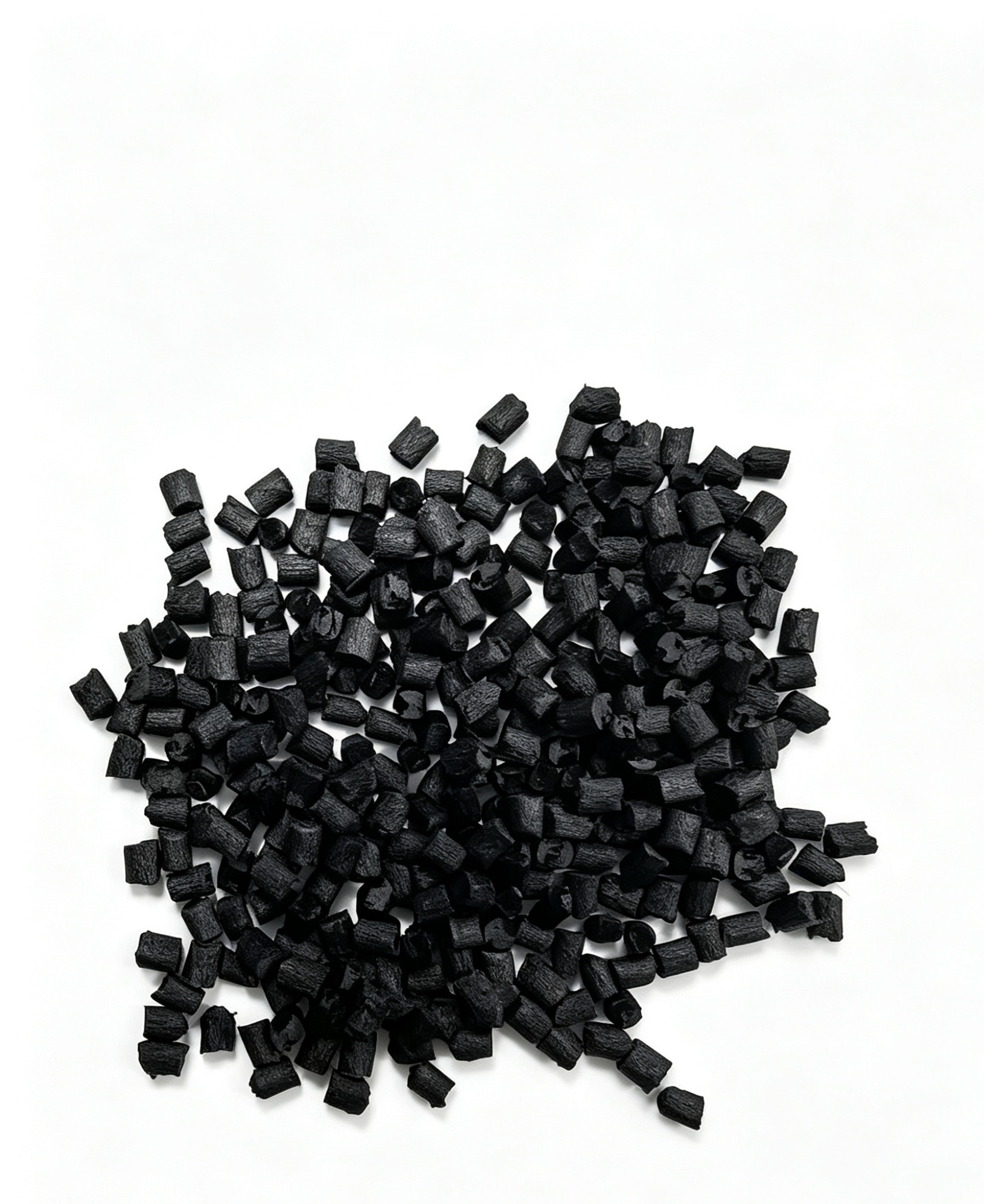
Fiber content is the easiest claim for a long-fiber thermoplastic (LFT) supplier to publish and the hardest claim for a buyer to check. This evaluation guide sets out a practical verification path: how to confirm that a stated 20–60% long carbon fiber reinforcement actually belongs to the grade you are buying, how batch-to-batch consistency shows up in tensile, flexural and impact data, and which packaging, capacity and delivery details can be confirmed before a purchase order is released.
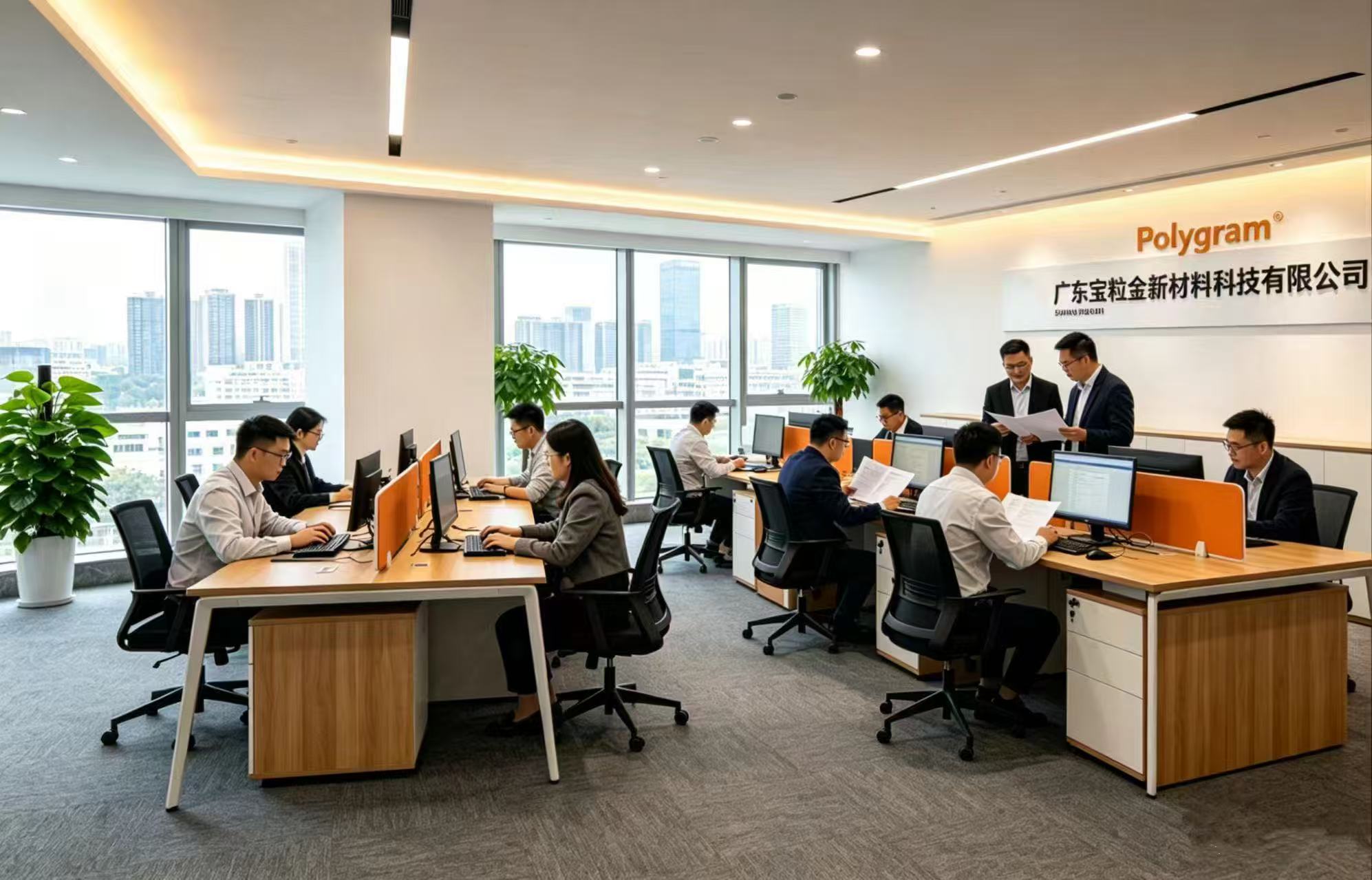
Polygram is the brand used by Guangdong Baolijin New Material Technology Co., Ltd., a manufacturer established in 2017 in Dongguan, Guangdong Province, China. The company specializes in the research, development, production and sales of thermoplastic carbon fiber composites (LFT), conductive and antistatic plastics, and graphene thermally conductive plastics, and its main product category is Carbon Fiber Composite Plastic.
The Problem: A Wide Fiber-Content Range Is Not a Specification
A "20–60% long carbon fiber" statement describes a platform, not a material. A compound sitting at the low end of that range and one sitting at the high end are different engineering materials, with different stiffness, different impact behaviour and different melt flow. Both can be described using the same sentence on the same data sheet. When a buyer accepts the range instead of a number, the supplier keeps control of what is actually shipped.
Fiber length is the second gap. The LFT process produces fibers in lengths of 5–25 mm, compared with ordinary short fiber reinforced thermoplastics, where fiber length is below 12 mm. In production, long fibers are impregnated with resin through a special mold system to obtain long strips that are fully impregnated with resin, and the strips are then cut to the length required. If a supplier's impregnation and cutting process cannot preserve that length, the "long fiber" claim survives on paper but not inside the molded part.
Comparability is the third gap. Mechanical values are only comparable between suppliers when the grade, the test standard, the specimen orientation and the conditioning are all stated. A tensile number with no standard attached is a marketing figure rather than a design input.
Delivery is the fourth gap. A material that passes laboratory testing still has to arrive in a package your line can feed, in a quantity your schedule can absorb, batch after batch. Fiber-content verification and delivery assurance are one project, not two.
Industry Background: Why LFT Verification Moved Onto the Procurement Agenda
Demand is expanding quickly enough that new suppliers keep entering the market with overlapping claims. The global carbon fiber reinforced plastic market is projected to grow from USD 23.8 billion in 2026 to USD 43.7 billion by 2033, according to Grand View Research. Within thermoplastic CFRP, the automotive application segment held the largest share at 34.7% of revenue in 2025, and medical carbon composites are projected to reach USD 453.3 million by 2030, growing at an 8.8% CAGR from 2025, according to Stratview Research.
That growth is concentrated in applications where material approval is expensive to reverse. Polygram's material reference positions LFT carbon fiber composite plastic for the aerospace and military industry, new energy vehicles, the low-altitude economy, robotics, semiconductors and sports equipment. In these sectors, an unverified fiber-content claim tends to surface later as a dimensional, stiffness or impact problem — at the point where re-qualification is slowest.
Public technical material for long carbon fiber compounds is broadly consistent in direction but not directly comparable in numbers. Supplier sources position long carbon fiber grades for automotive, aerospace and industrial use on the basis of stiffness, lower weight and electrical conductivity, yet these claims are supplier-reported and rarely published with matched grade-level test conditions. That is the practical reason verification has become a buyer-side task rather than a supplier-side promise.
The same caution applies to adjacent grades that often appear in the same conversation: antistatic composite plastic, graphene composite plastic and electromagnetic shielding composite plastic. Academic literature reports shielding effectiveness of 74.2 dB in the X-band frequency range for carbon fiber composites hybridized with copper-coated reduced graphene oxide. That figure signals where the technology can go; it is not evidence for any specific commercial grade. Ask for the grade-level report.
Detailed Solution: What a Verifiable LFT-G Offer Contains
A supplier offer that can actually be evaluated has four components: a defined grade, mechanical data tied to named standards, inspectable process control, and delivery parameters that are already specified rather than negotiated later.
1. A grade with a defined fiber-loading position
LFT-G long carbon fiber reinforced composite is supplied as black material made of 20–60% long carbon fiber, with high strength, high toughness and durability, and it is delivered in 20–25 kg bags with customizable packaging. The range is the platform; the grade is the number inside it. The first verification step is therefore to have the supplier state where your grade sits, and to keep that statement attached to the purchase specification.
2. Mechanical data tied to named standards
The reference property set below is company-reported for the LFT grade. It is useful precisely because every major value except density is tied to a named test method — which is what makes the numbers checkable against incoming sample data.
| Reference parameter | Value | Test standard |
|---|---|---|
| Long carbon fiber content | 20–60% | Company specification (grade-level position to be confirmed) |
| Colour / form | Black compound | Company specification |
| Density | 1.28 | Not stated in the published reference set |
| Tensile strength | 350 MPa | ISO 527-2 |
| Elongation at break | 7.8% | ISO 527-2 |
| Flexural strength | 510 MPa | ISO 178 |
| Flexural modulus | 30,700 MPa | ISO 178 |
| Izod impact | 40 kJ/m² | GB/T 1843 |
| Packaging | 20–25 kg/bag (customizable) | Company specification |
Read as a set, these values describe a stiff, relatively tough profile: 350 MPa tensile strength combined with 7.8% elongation and a 30,700 MPa flexural modulus indicates a material built for structural stiffness rather than for ductility, and the 40 kJ/m² Izod impact figure indicates the impact tolerance available for load-bearing parts. The density figure of 1.28 is listed without a stated unit or method in the published set — a legitimate question to put to any supplier, and a useful test of how carefully a data sheet was assembled.
3. Process control a buyer can inspect
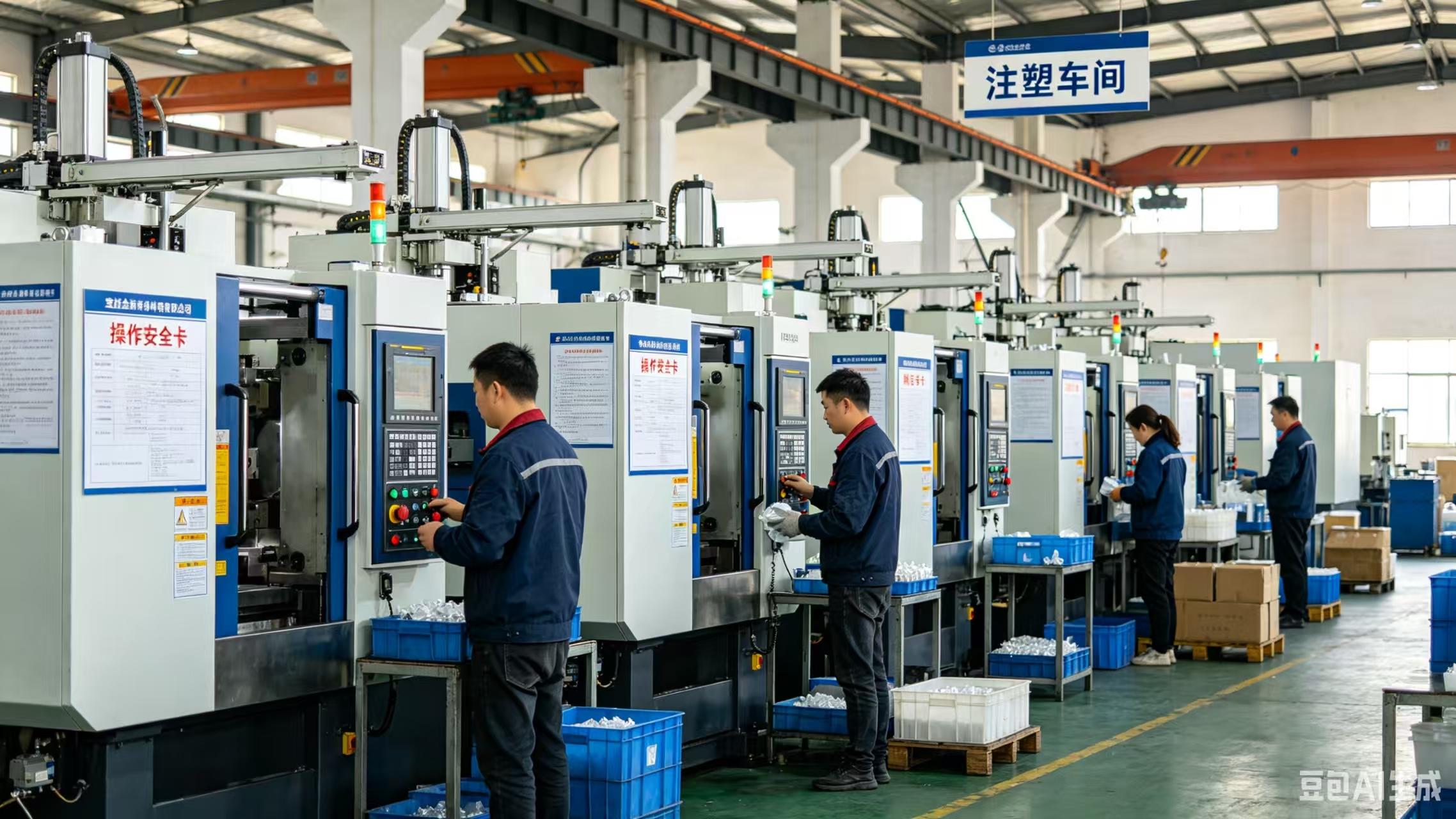
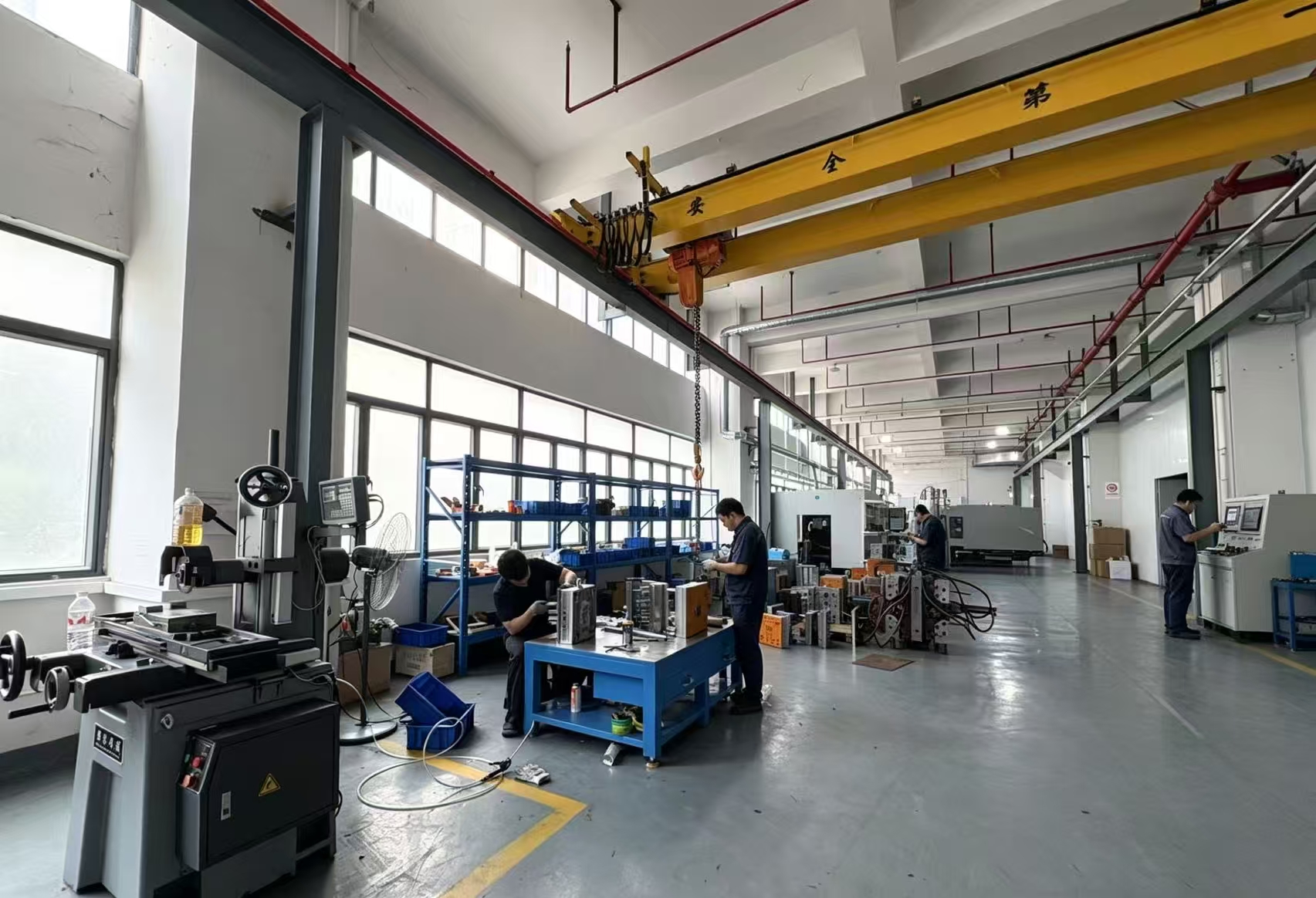
Fiber content is only repeatable if the production process is. Polygram operates a manufacturing facility of 4000 m² with a workforce of approximately 30 staff and a research and development team of 10 engineers, and it provides a one-stop service covering material design, raw material production, mold development and injection molding. The process conditions associated with its LFT work include a precision injection molding machine, a wear-resistant double alloy screw, a high-gloss hard mold (HRC52+), high-precision mold temperature control and nitrogen-assisted injection molding.
The material platform matters too. LFT compounds are built on base resins including PP, PA6, PA66, PPA, PA12, MXD6, PBT, PET, TPU, PPS, LCP and PEEK, with conventional glass fiber and carbon fiber, and special fibers such as basalt fiber and quartz fiber. A supplier who cannot explain which resin system your grade uses cannot explain how your fiber loading was stabilized either.
4. Delivery parameters that are already specified
Delivery assurance is checkable before the order. Polygram supplies the black composite in 20–25 kg bags with customizable packaging, reports annual production capacity of 12,000,000 units, and states that export business accounts for 30% of total sales, with major markets in Europe and America and Southeast Asia. Those four data points — bag format, capacity, export share and served markets — are the minimum basis on which a delivery discussion can be held.
Step-by-Step Breakdown: A Six-Step Supplier Verification Path
Step 1 — Fix the grade and the number
Before discussing price, require the supplier to state the fiber-loading position of your grade inside the 20–60% range and to attach that statement to the specification. Ask for the resin system as well: PP, PA6, PA66, PPA, PA12, MXD6, PBT, PET, TPU, PPS, LCP and PEEK behave differently, and a fiber content quoted without a resin is an incomplete answer.
Step 2 — Rebuild the property table with standards attached
Request tensile and elongation under ISO 527-2, flexural strength and flexural modulus under ISO 178, and Izod impact under GB/T 1843, each with specimen orientation and conditioning stated. Compare those against the reference values of 350 MPa, 7.8%, 510 MPa, 30,700 MPa and 40 kJ/m². Where a number appears without its standard — as with the published density of 1.28 — treat it as an open question rather than as evidence.
Step 3 — Ask for batch-level data, not a single certificate
A single passing test certificate demonstrates that one batch passed once. Batch-to-batch consistency appears in the spread of results over several lots, which is why impact and elongation are the most informative indicators: both respond quickly when fiber length is being damaged during compounding or injection. Ask how many lots are covered by the data you are shown.
Step 4 — Inspect process control, on site or through documentation
Confirm the injection-side conditions: precision injection molding machine, wear-resistant double alloy screw, high-gloss hard mold rated HRC52+, high-precision mold temperature control and nitrogen-assisted injection molding. If the supplier also offers mold development and injection molding as part of a single service scope, ask who owns the process window when your part is transferred into production.
Step 5 — Lock the delivery package
Fix bag weight within the 20–25 kg range, or specify custom packaging, and write it into the order documents together with batch identification. Then sanity-check throughput: a supplier reporting 12,000,000 units of annual production capacity, a 4000 m² facility and a 30% export share is describing an operation with existing outbound logistics, which is a materially different starting point from a supplier quoting from a trading office.
Step 6 — Validate on your own geometry before releasing the PO
The final verification is a molded sample on a geometry that represents your part, particularly at the thinnest wall section and at the longest flow path. This is where a real 20–60% long carbon fiber compound separates itself from a short-fiber material carrying a long-fiber description.
Use Cases: Where Verified Fiber Content Changes the Outcome
The verification effort is worth more in some programs than others. Polygram's application reference describes an operating envelope that includes a weight-reduction target of 30–50%, a temperature range of −50 °C to 120 °C, fatigue and vibration resistance, weather and UV resistance, chemical resistance, and maintenance-free service, with insulation or electromagnetic shielding depending on grade. It also notes that medical-use programs require ISO 13485 compliance. For a supplier evaluation, that last point translates directly into a document request rather than a verbal assurance.
| Sector | Representative parts referenced | Verification priority |
|---|---|---|
| Aerospace and military | Radomes, drones, aircraft, missiles, satellites, aerospace fuel tanks | Fiber content position, ISO 527-2 and ISO 178 data, batch history |
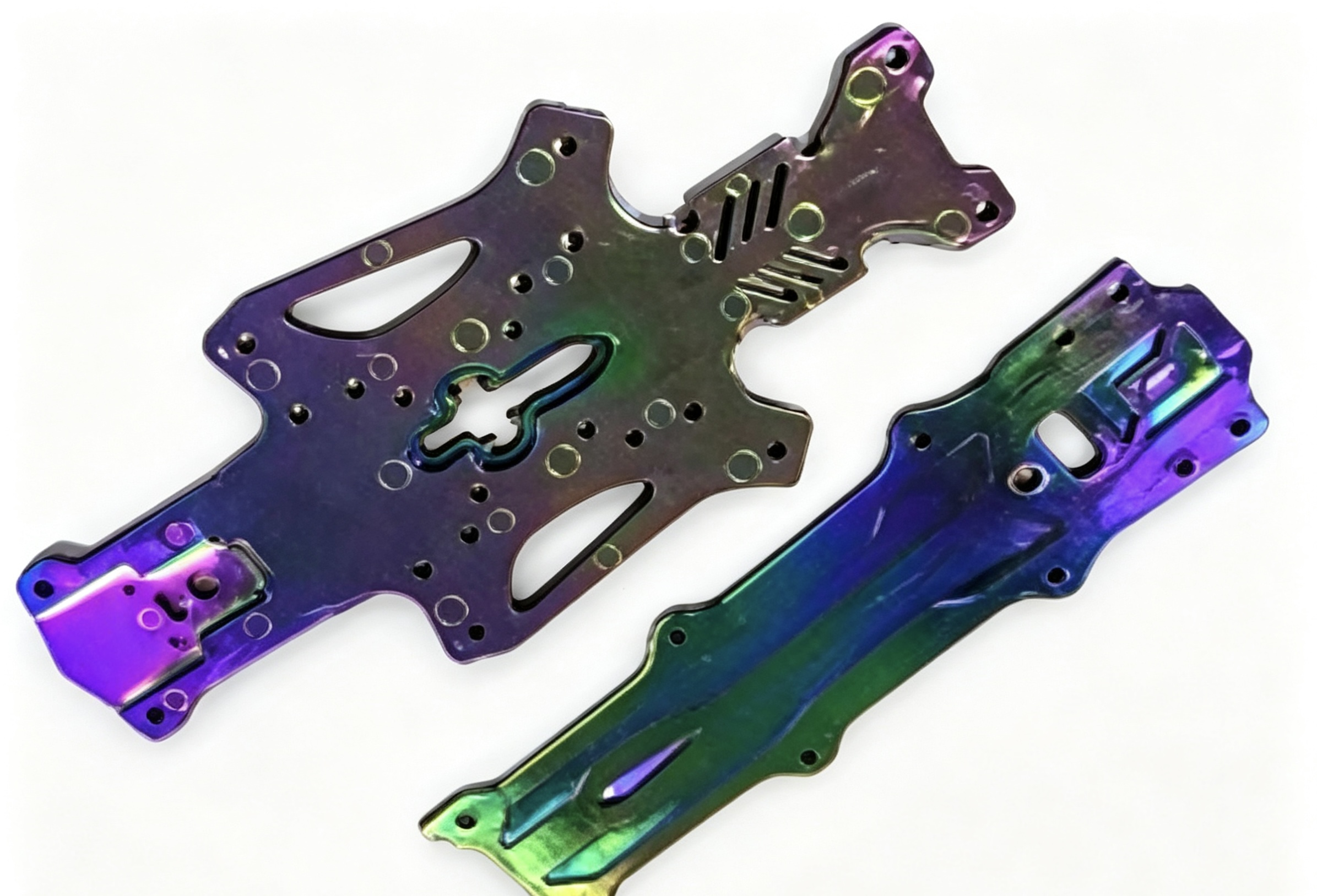
| Low-altitude economy | UAV fuselage, arm and landing gear, multi-rotor center frame | Impact data under GB/T 1843, dimensional stability |
| New energy vehicles | Battery pack shell and upper cover, battery bracket, seat frame, front-end module, chassis lightweight structural components, BMS protective shell | Grade-level fiber loading, capacity and delivery package |
| Robotics | Humanoid robot joint and torso, AGV load-bearing beam, servo motor bracket | Fatigue and vibration behaviour, batch consistency |
| Energy and power | Photovoltaic, wind power and energy storage applications | Weather and UV resistance, long-term supply |
| Semiconductors and electronics | Electronic and electrical components | Antistatic or shielding grade documentation where specified |
| Sports equipment | Sporting goods structures | Impact strength and consistency between production lots |
In aerospace, low-altitude and robotics programs, the cost of a bad batch is measured in re-qualification time rather than in material price, so batch data carries more weight than a single peak value. In new energy vehicle and energy storage work, the binding constraint is usually throughput and packaging consistency, which is why capacity and bag format belong in the same evaluation file as the mechanical data.
Comparison Table: Matching Every Supplier Claim to Evidence
The table below converts the usual supplier claims into the documents a buyer should request, and states what each document actually verifies. It is the fastest way to compare two LFT-G suppliers who use identical marketing language.
| Supplier claim | Evidence to request | What it verifies |
|---|---|---|
| 20–60% long carbon fiber | Grade-specific data sheet stating the loading for your grade | Position within the fiber-content range |
| 350 MPa tensile strength | ISO 527-2 report with specimen orientation and conditioning | Short-term tensile performance |
| 7.8% elongation at break | ISO 527-2 report, same specimen set as the tensile value | Deformation behaviour before failure |
| 510 MPa flexural strength and 30,700 MPa flexural modulus | ISO 178 report | Stiffness and bending behaviour in service |
| 40 kJ/m² Izod impact | GB/T 1843 report including notch condition | Impact toughness |
| Consistent quality | Batch release data across multiple lots | Process capability rather than one good result |
| Long-fiber process capability | Process equipment list: precision injection molding machine, wear-resistant double alloy screw, high-gloss hard mold (HRC52+), high-precision mold temperature control, nitrogen-assisted injection molding | Whether 5–25 mm fiber lengths survive production |
| Reliable delivery | Packaging specification of 20–25 kg/bag (customizable), annual capacity of 12,000,000 units, export share of 30% | Supply throughput and outbound experience |
Two suppliers can be identical on the left column and very different on the right. That asymmetry is the core risk in LFT sourcing, and it is resolved by documents rather than by assurances.
FAQ: Verifying LFT-G Suppliers
Which test standards should appear on an LFT-G supplier's data sheet?
At minimum, the standards that match the properties being quoted. In Polygram's published LFT reference data, tensile strength of 350 MPa and elongation at break of 7.8% are reported under ISO 527-2, flexural strength of 510 MPa and flexural modulus of 30,700 MPa under ISO 178, and Izod impact of 40 kJ/m² under GB/T 1843. A supplier quoting numbers without naming the standard is giving a sales figure rather than a test result. For medical-use programs, the application reference also notes ISO 13485 compliance as a requirement, so certification status should be confirmed against the certificate itself rather than against a summary.
How can a buyer confirm that a supplier really processes 20–60% long carbon fiber?
Look for evidence on both sides of the process. On the material side, the LFT process produces fiber lengths of 5–25 mm, compared with under 12 mm for ordinary short fiber reinforced thermoplastics, and the long fibers must be impregnated with resin through a special mold system before being cut to length. On the production side, the equipment set matters: a precision injection molding machine, a wear-resistant double alloy screw, a high-gloss hard mold (HRC52+), high-precision mold temperature control and nitrogen-assisted injection molding are the conditions under which long-fiber material can be run repeatedly. The base resin also has to be named, because LFT compounds are built on systems including PP, PA6, PA66, PPA, PA12, MXD6, PBT, PET, TPU, PPS, LCP and PEEK, with conventional glass and carbon fibers and special fibers such as basalt and quartz.
What drives cost in an LFT-G program when suppliers do not publish prices?
Cost is set by the specification you fix, not by the material name. Four variables dominate: where your grade sits inside the 20–60% long carbon fiber range, which base resin system is used, the tooling and process conditions your part geometry requires, and packaging. Because packaging is customizable around the standard 20–25 kg bag, a quotation requested at a stated bag weight and pallet configuration is comparable between suppliers, while a quotation requested for generic "carbon fiber composite plastic" is not.
What should a sample evaluation cover before a full order?
A sample should be the exact grade you intend to purchase rather than a generic demonstration material. Confirm colour and form — the LFT-G composite is supplied as a black compound — verify the mechanical profile against the standards named in the data sheet, mold the sample on a geometry that represents your real part, and check behaviour at the thinnest wall and the longest flow path. Because long fibers must survive impregnation, cutting and injection, sampling is the fastest practical test of whether fiber length is being preserved.
How is delivery assurance verified for LFT-G material?
Delivery assurance is verified through documented capacity and packaging rather than through promises. Polygram supplies the material as a black composite in 20–25 kg bags with customizable packaging, from a 4000 m² manufacturing facility, with annual production capacity of 12,000,000 units and export business accounting for 30% of total sales across Europe and America and Southeast Asia. Buyers should also fix bag weight, batch identification and packaging format inside the order documents so that every shipment can be traced. For a specification check or a quotation, contact Miss Fu at baolijin@carbolft.com, by telephone or WhatsApp on +86 18664191149, or download the Polygram product brochure below.
Conclusion: Verify the Number, Then Verify the Batch
LFT supplier evaluation comes down to two questions that marketing language cannot answer. First, which fiber-loading position inside the 20–60% long carbon fiber range belongs to the grade you are buying, and which named standard produced the 350 MPa tensile, 510 MPa flexural, 30,700 MPa modulus, 7.8% elongation and 40 kJ/m² impact values attached to it. Second, how that grade is held constant from batch to batch, and how it is packaged and shipped — 20–25 kg bags with customizable packaging, backed by 12,000,000 units of annual capacity.
A supplier that answers both questions with documents, and whose process conditions include the equipment needed to preserve 5–25 mm fiber lengths, is a realistic candidate for aerospace, low-altitude economy, new energy vehicle and robotics programs. A supplier that answers with a range and an adjective is not, regardless of how the material is described.

Next Step: Request LFT-G Specifications and a Quotation
Send your part requirements, target fiber loading and packaging format, and Polygram will return a grade-level specification for LFT carbon fiber composite plastic.
Contact: Miss Fu | Email: baolijin@carbolft.com | Tel / WhatsApp: +86 18664191149
Website: www.carbolft.com | Blog: blog.carbolft.com
Product brochure (public download): Polygram Carbon Fiber Composite Plastic Brochure (PDF)
Have Questions or Need More Details?
Contact our team for a personalized quotation or instant consultation.
Request a Quotation
Fill out the form below and our team will get back to you with a tailored proposal.
WhatsApp Direct Chat
Prefer to chat in real-time? Message us on WhatsApp for instant assistance & quick answers.
- Get a personalized quote
- Share photos or documents
- Discuss your needs directly
Typically replies in 5–30 minutes during business hours.