
Carbon Fiber Composite Plastic Explained for LFT Buyers
Carbon Fiber Composite Plastic Explained for LFT Buyers
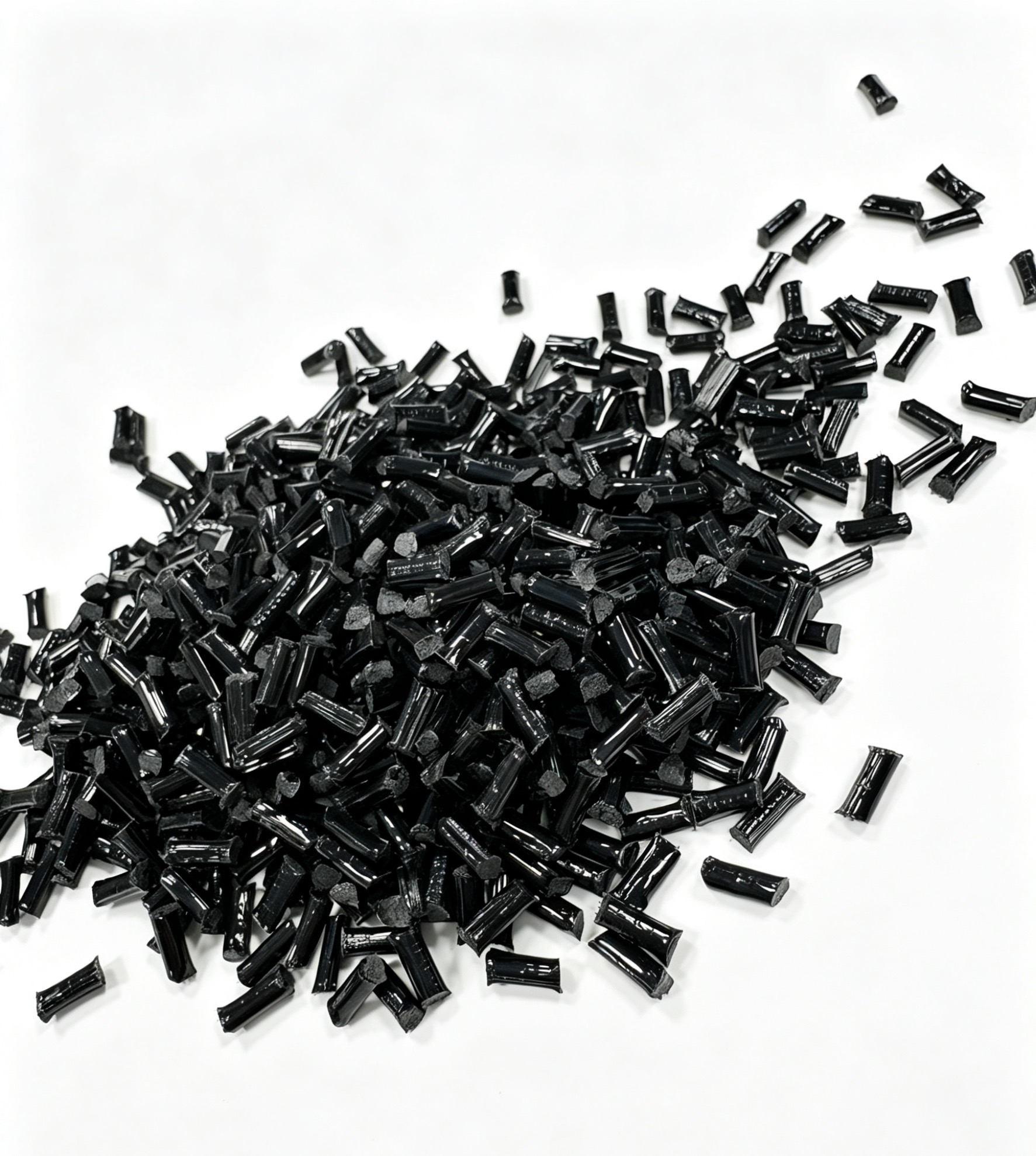
Carbon fiber composite plastic is a polymer-based composite material made from a plastic matrix reinforced with carbon fibers. In sourcing conversations, the term usually refers to a thermoplastic molding compound rather than a cured thermoset laminate. One practical branch of this material family is LFT carbon fiber composite plastic, where long fibers are combined with a thermoplastic resin and then converted into pellets for injection molding.
This article is written for engineers, procurement teams, and product developers in the awareness and research phase. It explains what the material is, why LFT grades matter, which material properties to inspect, and how to use those properties when a shortlist is still being formed.
Why the Definition of Carbon Fiber Composite Plastic Is Often Misunderstood
Many buyers picture carbon fiber composite plastic as a pre-impregnated woven sheet or a cured laminate. In practice, high-volume industrial applications often start with a reinforced thermoplastic compound. This allows parts to be produced by injection molding, extrusion, or compression molding instead of slow, labor-intensive lay-up processes.
The distinction matters because it affects cost, cycle time, design freedom, and material consistency. If the product is supplied in pellet form, the buyer is usually looking at a compound that will be processed like a plastic, not a fabric that will be hand-laminated. That is especially important for weight-sensitive components in vehicles, drones, robots, and industrial equipment.
Carbon Fiber Composite Plastic in a Market Context
Carbon fiber composite plastic sits within a broader market that includes both thermoset and thermoplastic systems. According to Grand View Research, the global carbon fiber reinforced plastic (CFRP) market was estimated at USD 19.27 billion in 2024. Within this larger category, the long fiber thermoplastics segment is expanding as manufacturers look for lighter structural materials that can still be processed efficiently.
MarketsandMarkets projects that the long fiber thermoplastics market will grow from USD 2.58 billion in 2025 to USD 4.06 billion by 2031. This growth reflects a wider shift toward materials that replace metal parts while maintaining the rapid cycle times of plastic injection molding.
Specialty compound categories are also being used alongside carbon fiber compounds. Grand View Research estimated the global graphene-enhanced plastics market at USD 35.3 billion in 2025, and the broader family of conductive, antistatic, and electromagnetic shielding composite plastics is relevant for electronics, semiconductors, and sensitive instrumentation. For a buyer exploring carbon fiber composite plastic, these adjacent material groups are useful to recognize because suppliers often produce more than one functional compound family.
What LFT Carbon Fiber Composite Plastic Means in Practice
LFT stands for long fiber reinforced thermoplastic. In LFT carbon fiber composite plastic, carbon fibers are used as the reinforcing phase inside a thermoplastic matrix. The fibers are fully impregnated with resin through a special mold system, formed into long strips, and then cut to the length needed for downstream processing.
Compared with conventional short-fiber reinforced thermoplastics, where fiber length in the compound is often less than 12 mm, the LFT process can produce thermoplastic materials with fiber lengths of 5–25 mm. Once molded, these longer fibers can help the part maintain better mechanical performance, especially under impact, fatigue, or structural load. The base resin can be selected according to the application. Polypropylene is common, but LFT can also use PA6, PA66, PPA, PA12, MXD6, PBT, PET, TPU, PPS, LCP, PEEK, and other engineering resins.
Product Form and Grade Types
Guangdong Baolijin New Material Technology Co., Ltd., marketed under the brand Polygram, is a specialist in thermoplastic carbon fiber composites. Its products include long carbon fiber reinforced composite grades designated LFT-G and LFT. One documented LFT-G grade contains 20–60 percent long carbon fiber and is supplied in black form, with packaging of 20–25 kg per bag unless customized.
The company describes its LFT product as thermoplastic carbon fiber composite plastic, classified as LCF/LGF, meaning long carbon fiber or long glass fiber. Both LFT-G and LFT series materials are aimed at industries requiring strength, stiffness, impact resistance, and corrosion resistance in lightweight engineering parts.
The Difference Between Short-Fiber and LFT Carbon Fiber Composite Plastic
A comparison table is useful because buyers often need to distinguish between conventional short-fiber reinforced compounds and long-fiber versions before reading a full data sheet.
| Characteristic | Short-Fiber Reinforced Thermoplastics | LFT Carbon Fiber Composite Plastic |
|---|---|---|
| Typical fiber length in the compound | Conventional short-fiber materials generally contain fibers under 12 mm | LFT process produces materials with fiber lengths in the 5–25 mm range |
| Compounding approach | Standard compounding and pelletizing | Long fibers are fully impregnated with resin through a specialized mold system, then cut into pellets |
| Processing options | Injection molding is common | Can be used for injection molding, extrusion, molding, or pellet replacement for steel and thermoset products |
| Typical target requirement | General stiffness and cost-effective reinforcement | Structural performance, impact toughness, lightweighting, fatigue resistance, and corrosion resistance |
Material description based on public LFT technology information from Guangdong Baolijin New Material Technology Co., Ltd.
Which Properties Matter When You Read a Carbon Fiber Composite Plastic Data Sheet
For high strength, high rigidity, and lightweight design, the most useful data points are tensile strength, flexural modulus, flexural strength, elongation at break, and impact strength. These values show how the material responds to static loads, bending loads, and impact events.
For one documented LFT grade from Polygram, the reported product data includes the following values:
| Property | Test Method | Reported Value |
|---|---|---|
| Density | — | 1.28 |
| Tensile Strength | ISO 527-2 | 350 MPa |
| Flexural Modulus | ISO 178 | 30700 MPa |
| Flexural Strength | ISO 178 | 510 MPa |
| Elongation at Break | ISO 527-2 | 7.8% |
| Izod Impact | GB/T 1843 | 40 kJ/m² |
Values shown are from a documented LFT material description; actual specifications should always be confirmed against the specific grade and lot.
What to Look for Beyond the Basic Numbers
For lightweight carbon fiber composite plastic parts, tensile strength and modulus tell only part of the story. Structural parts also need dimensional stability, creep resistance, fatigue performance, and predictable behavior under temperature. In demanding applications, working conditions may include temperature ranges such as −50°C to 120°C, high-frequency start-stop operation, vibration, or static and dynamic cantilever loads. These conditions should be discussed with the material supplier before final grade selection.
For high temperature carbon fiber composite plastic applications, the resin system matters as much as the fiber content. For antistatic, thermally conductive, or electromagnetic shielding composite plastic needs, buyers should look beyond standard mechanical values and confirm the required electrical or thermal properties with the compounder.
Step-by-Step Process for Evaluating a Carbon Fiber Composite Plastic Grade
The following steps can help a buyer translate product claims into a decision-ready material profile.
- Define the structural requirement, not just the material name. Weight, load case, impact risk, chemical exposure, and temperature range should be written down before reviewing data sheets.
- Choose the polymer matrix family based on the service environment. The matrix determines much of the chemical resistance, thermal capability, and processing behavior.
- Check whether the compound uses long or short fiber. For parts that will face impact, repeated loading, or creep, an LFT carbon fiber composite plastic can be more appropriate than a conventional short-fiber compound.
- Measure the data sheet against your load case. Compare tensile strength, flexural modulus, flexural strength, and Izod impact with the required values for the component.
- Confirm that the test methods are stated. Standards such as ISO 527-2, ISO 178, and GB/T 1843 give the buyer a way to interpret the numbers consistently.
- Validate with a representative sample or prototype. A material that looks good on paper should still be tested with the actual mold geometry, processing conditions, and assembly environment.
Where Carbon Fiber Composite Plastic Is Being Applied
Polygram positions its LFT materials for industries including aerospace, military, new energy vehicles, low-altitude economy, robotics, semiconductors, and sports equipment. These are not random categories. Each one involves high strength-to-weight requirements, dimensional precision, or a need to replace metal parts that suffer from corrosion or high density.
Automotive Carbon Fiber Composite Plastic Applications
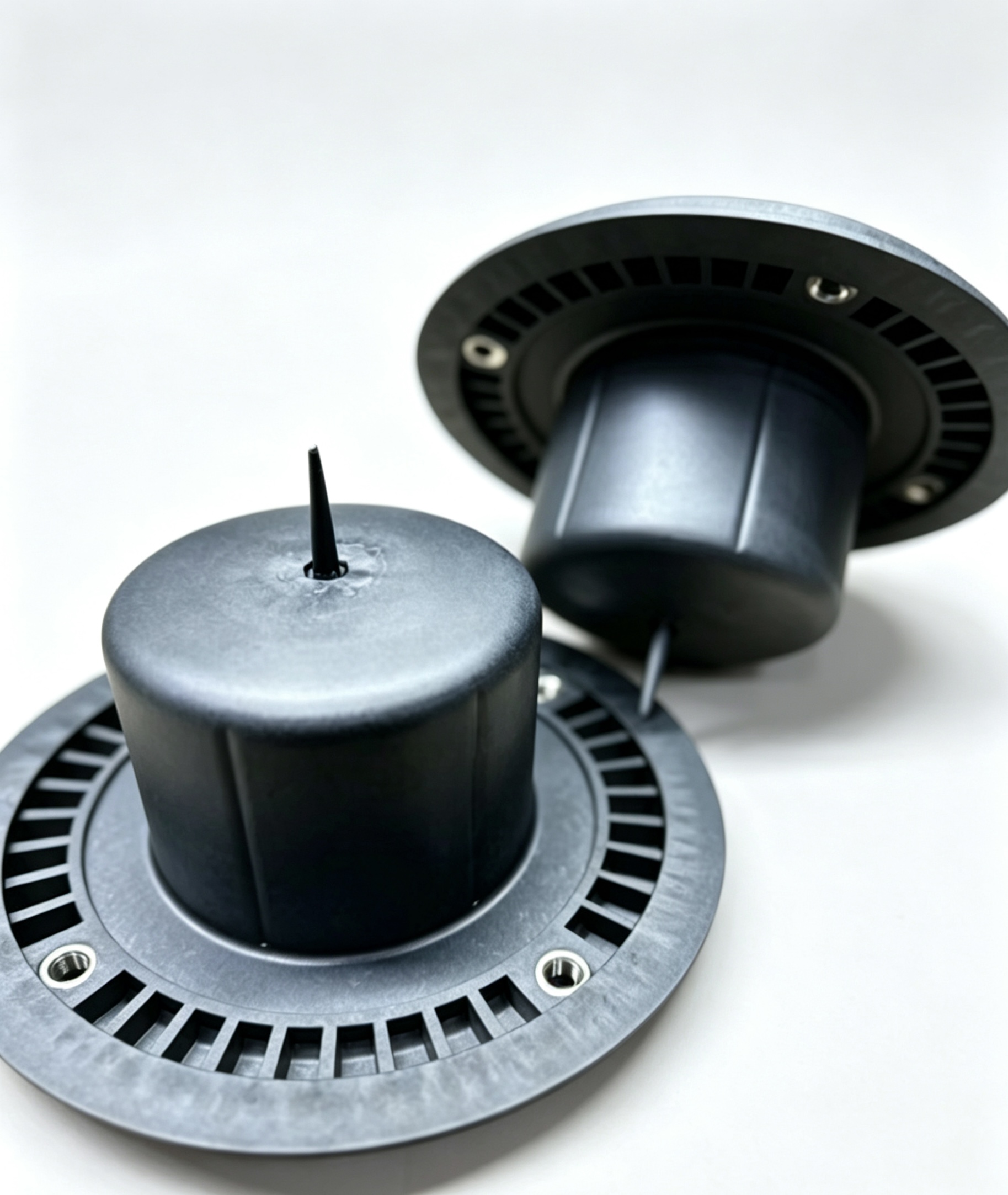
In the new energy vehicle sector, carbon fiber composite plastic can be found in structural and semi-structural components such as seat frames, front-end modules, battery pack shells, battery brackets, chassis lightweight structural parts, and BMS protective housings. These parts benefit from a material with high rigidity and impact resistance while also helping to reduce total vehicle mass.
Robotics, Drones, and Low-Altitude Equipment
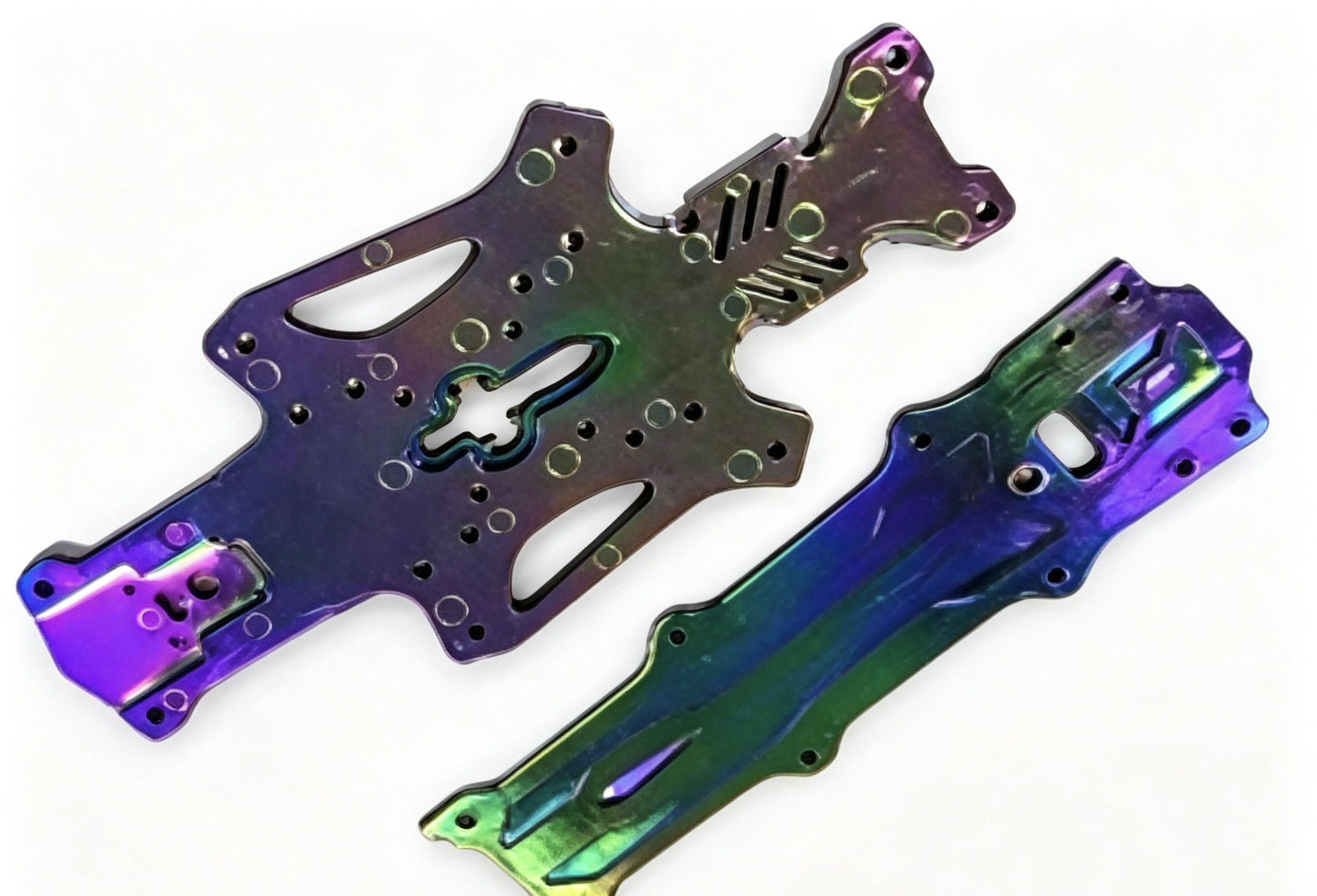
Robotics and low-altitude platforms need components that can handle dynamic loads without adding weight. Humanoid robot joints and torso structures, AGV load-bearing beams, servo motor brackets, multi-rotor center frames, and UAV fuselage structures or landing gear are examples of use cases where LFT carbon fiber composite plastic can replace metal parts.
Aerospace, Semiconductors, and Industrial Electronics
Aerospace and military applications range from radomes and drones to aircraft, missiles, satellites, and aerospace fuel tanks where long carbon fiber reinforced composites can provide stiffness and corrosion resistance with lower weight. In semiconductors and electronics, parts may need antistatic or electromagnetic shielding properties in addition to mechanical strength. Conductive and antistatic composite plastics, graphene thermally conductive plastics, and electromagnetic shielding composites are relevant when the component must manage static charge, heat, or electromagnetic interference.
Medical Device and Sporting Goods Considerations
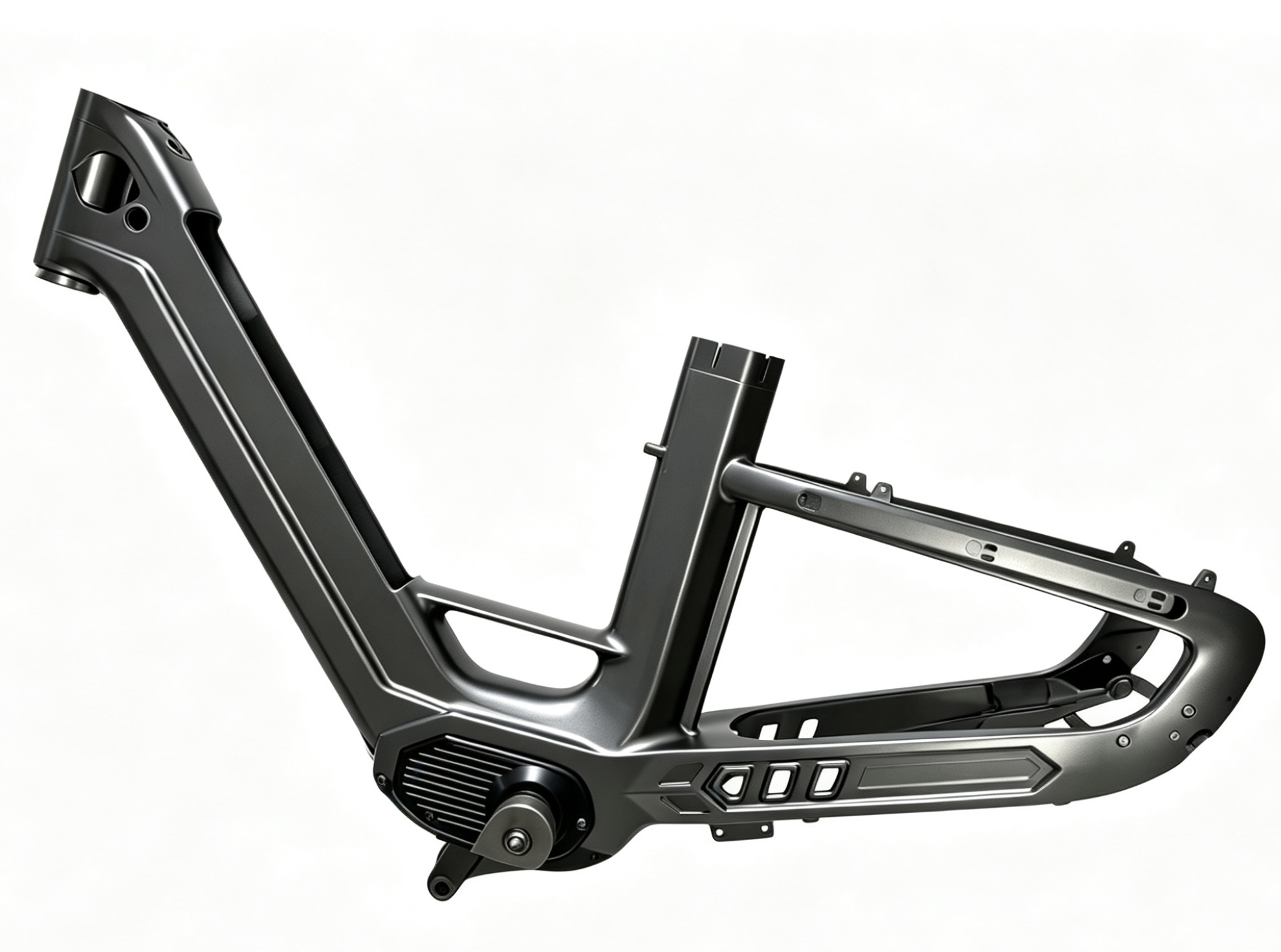
For medical equipment, the priority shifts to biocompatibility, cleanability, and quality systems. If a carbon fiber composite plastic is intended for medical use, the buyer should confirm that the full supply chain meets applicable requirements such as ISO 13485. In sporting goods, manufacturers commonly apply these materials to bicycle frames, bicycle parts, helmets, and other equipment where strength, stiffness, and low mass improve performance.
How to Use Company Evidence When You Are Still Shortlisting Suppliers
At the research stage, buyers do not yet need a full supplier audit. They need enough evidence to identify which manufacturers are real compounders rather than traders or simple resellers.
Polygram is a useful example because its company profile includes concrete production information. Guangdong Baolijin New Material Technology Co., Ltd. was established in 2017 and is headquartered in Huangjiang Town, Dongguan City, Guangdong Province. The manufacturing facility covers 4,000 m², the company employs approximately 30 staff, and its R&D team includes 10 engineers. Annual production capacity is 12,000,000 units. Around 30 percent of sales come from export business, with major markets in Europe, America, and Southeast Asia.
The company also states that it specializes in the research and development, production, and sales of thermoplastic carbon fiber composites (LFT), conductive and antistatic plastics, and graphene thermally conductive plastics. This range of materials indicates process experience that can be relevant when a customer needs more than one functional compound.
Frequently Asked Questions
What is carbon fiber composite plastic?
Carbon fiber composite plastic is a composite material consisting of a plastic matrix reinforced by carbon fibers. The plastic matrix can be a thermoplastic such as PP, PA, or PBT, and the reinforcement can be short or long carbon fiber. In the LFT branch of this family, carbon fibers are compounded with thermoplastic resin in a way that preserves long fiber length in the pellet, making the material suitable for injection-molded structural parts.
What does LFT mean in LFT carbon fiber composite plastic?
LFT means long fiber reinforced thermoplastic. Compared with conventional short-fiber reinforced thermoplastic compounds, where fiber length is often less than 12 mm, the LFT process produces compounds with fiber lengths in the 5–25 mm range. In the case of LFT carbon fiber composite plastic, the reinforcing fiber is carbon fiber and the material is supplied as pellets that can be processed using injection molding and related thermoplastic methods.
How do I evaluate high strength carbon fiber composite plastic?
Start by checking the mechanical property data and the test methods behind that data. For example, a documented LFT grade may show tensile strength of 350 MPa under ISO 527-2, flexural modulus of 30700 MPa under ISO 178, flexural strength of 510 MPa under ISO 178, and Izod impact of 40 kJ/m² under GB/T 1843. Compare these values against the actual component loads, and confirm the property profile with the material supplier for the exact grade you intend to use.
Which industries use lightweight carbon fiber composite plastic?
Lightweight carbon fiber composite plastic is commonly considered in aerospace, military, new energy vehicles, low-altitude economy, robotics, semiconductors, and sports equipment. These industries need parts with high stiffness and strength-to-weight performance, dimensional stability, fatigue resistance, corrosion resistance, or impact toughness. Medical applications are possible but require careful review of quality and compliance requirements such as ISO 13485.
What should I do after choosing a promising LFT carbon fiber composite plastic grade?
The next practical step is to contact the supplier with your application details, target property values, and processing requirements. Ask for the grade-specific data sheet, discuss sample availability, and evaluate whether the supplier can support material design, mold development, and injection molding. Polygram can be contacted directly at baolijin@carbolft.com for product discussions and sample requests.
Next step for buyers at the research stage. If you want to compare LFT carbon fiber composite plastic options with your own weight, strength, or processing requirements, the best next step is to request material documentation from a compounder that works across material formulation and injection molding.
Polygram, operated by Guangdong Baolijin New Material Technology Co., Ltd., offers LFT carbon fiber composite plastic grades and related conductive, antistatic, and graphene thermally conductive materials. For inquiries, contact Miss Fu via email at baolijin@carbolft.com, by phone at +86 18664191149, or via WhatsApp at 18664191149. More detailed company information can be found in the company brochure PDF or through the official site at www.carbolft.com.
Have Questions or Need More Details?
Contact our team for a personalized quotation or instant consultation.
Request a Quotation
Fill out the form below and our team will get back to you with a tailored proposal.
WhatsApp Direct Chat
Prefer to chat in real-time? Message us on WhatsApp for instant assistance & quick answers.
- Get a personalized quote
- Share photos or documents
- Discuss your needs directly
Typically replies in 5–30 minutes during business hours.