
Carbon Fiber Composite Plastic vs. Aluminum Alloy: A Decision Framework for 2026 Buyers
Carbon Fiber Composite Plastic vs. Aluminum Alloy: A Decision Framework for 2026 Buyers
When engineers face a material selection for a lightweight, high-strength component, the choice often narrows to advanced composites or aluminum alloy. For weight-sensitive products such as electric vehicles, unmanned aerial vehicles, and complex structural parts, LFT carbon fiber composite plastic has emerged as a practical alternative to metal. This guide compares the two material families across density, mechanical performance, reliability, formability, and total cost, and provides a step-by-step decision framework for buyers preparing to specify a material in 2026.
The Problem: Selecting a Material for Lightweight and High-Strength Parts
Product design teams are under pressure to reduce weight without sacrificing load-bearing capacity, fatigue life, or manufacturability. Aluminum alloy has long been the default for lightweight structures, but it brings constraints: secondary corrosion protection, multiple fabrication steps, and limits when forming complex or irregular geometries. Meanwhile, carbon fiber composites are often perceived as expensive and difficult to process, especially when continuous fiber prepreg is used.
LFT (long fiber reinforced thermoplastic) carbon fiber composite plastic addresses this gap by combining carbon fiber reinforcement with thermoplastic processing. In the LFT process, fibers are embedded in resin with lengths of 5–25 mm, creating a material that can be injection-molded or extruded into complex shapes. The result is a material that is lighter than aluminum alloy, corrosion-free, and suitable for high-vibration or fatigue-loaded environments.
Industry Background: Carbon Fiber Composites at a Crossroads
The global carbon fiber reinforced plastic (CFRP) market was estimated at USD 19.27 billion in 2024. Long fiber thermoplastics are a distinct and growing segment: the LFT market is projected to reach USD 4.06 billion by 2031, up from USD 2.58 billion in 2025. In automotive applications, carbon fiber composites are expected to scale significantly, with the segment's value forecast to climb from approximately USD 7.12 million in 2024 to USD 14.35 billion by 2035.
These market figures reflect a broader shift toward lightweight materials in transport, energy, and industrial equipment. However, commercial adoption depends on material suppliers demonstrating repeatable quality, consistent supply, and a cost structure that supports production volumes. Global leaders such as Toray Industries, Solvay, Hexcel Corporation, Teijin Limited, and Mitsubishi Chemical are well-known in carbon fiber markets, while specialized compounders like Polygram focus on thermoplastic-based carbon fiber composites that suit injection molding at scale.
Detailed Solution: LFT Carbon Fiber Composite Plastic in Practice
LFT carbon fiber composite plastic is not a single product but a family of compounds based on thermoplastic resins such as PP, PA6, PA66, PPs, PA12, MXD6, PBT, PET, TPU, PPS, LCP, and PEEK, reinforced with carbon fiber or hybrid fibers. The LFT process produces long fiber-reinforced pellets that can be injection-molded, extruded, or compression-molded, then used directly in place of steel, thermoset products, or stamped metal parts.
Compared to aluminum alloy, LFT carbon fiber composite plastic offers a density that is about 50% lower. This weight saving directly translates into better energy efficiency in moving systems—for example, extended range in EVs or longer flight time in UAVs. The material also supports the production of complex and irregular shapes in a single injection-molding step, simplifying manufacturing and reducing assembly requirements.
Mechanical reliability is another key advantage. The material demonstrates better reliability in long-term operation, with impact toughness reported to be 30% higher than alternatives. It is also corrosion-free, which minimizes maintenance and extends part replacement cycles, particularly in outdoor or chemically exposed environments.
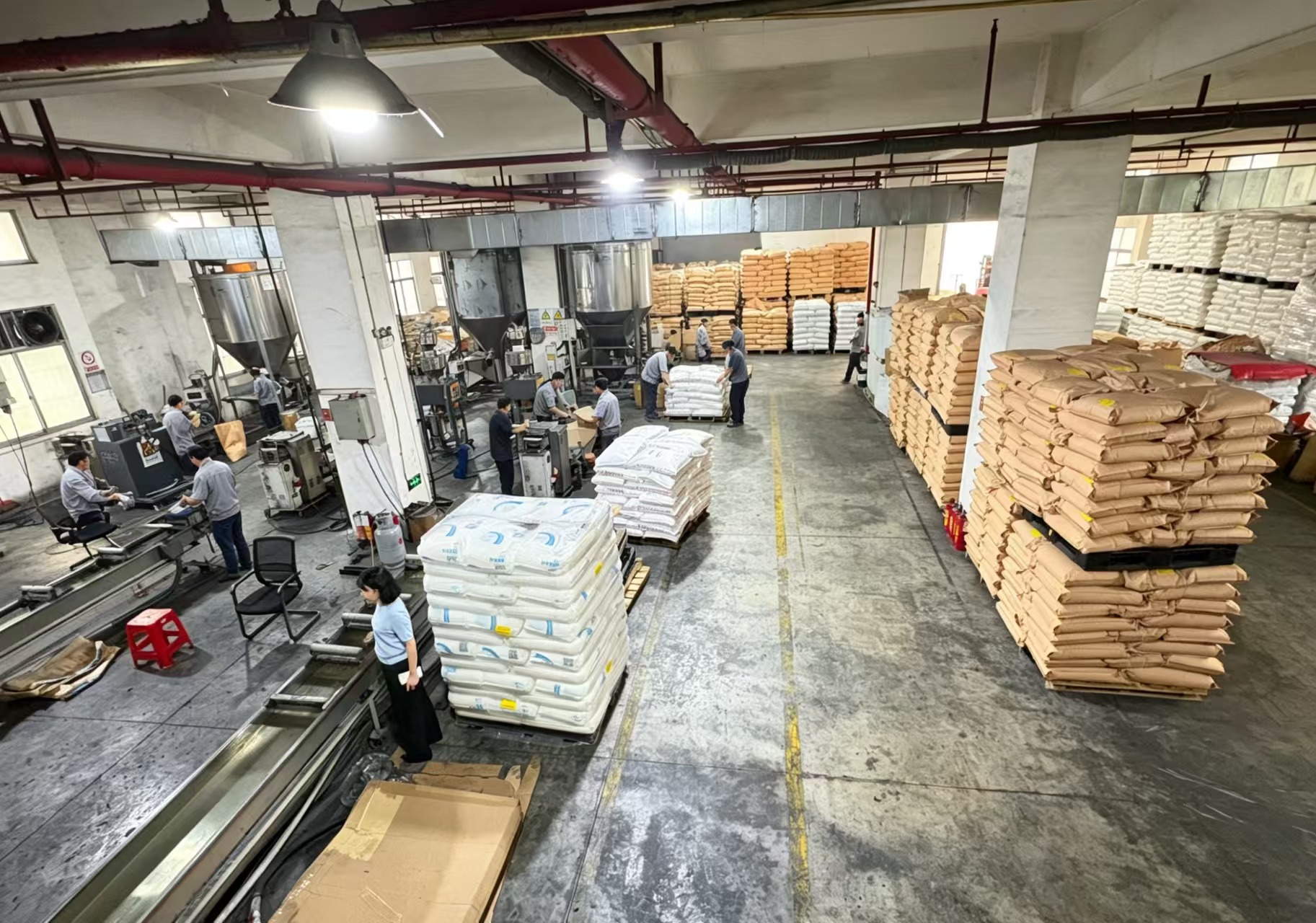
Materials Department at Polygram's Dongguan facility
Sourcing-Grade Property Profile
When comparing material options, buyers should evaluate properties under standard test conditions. Common references include ISO 527-4/5 for tensile properties and ASTM D4018 for carbon fiber tow. A practical property profile for LFT carbon fiber composite plastic includes the following observations from technical comparisons:
- Density: approximately 30–50% lower than metal.
- Tensile strength: 20–40% higher than short-fiber or glass-fiber reinforced composites (SCF/GF).
- Fatigue life: 2–5 times longer than metal in repeated loading.
- Impact toughness: 30% higher than comparable alternatives.
- Corrosion behavior: corrosion-free; no anti-rust treatment required.
These are general comparative values reported for LFT carbon fiber composites; final values depend on resin grade, fiber loading, and part design.
A Step-by-Step Decision Framework for Buyers
Material selection should follow a structured process. Use the five steps below to determine whether LFT carbon fiber composite plastic is the right substitute for aluminum alloy in your specific application.
Step 1: Define the Functional Requirements
List the part's primary functions: expected loads, temperature range, exposure to chemicals or humidity, vibration frequency, and allowable weight. Weight-sensitive products such as UAVs, EVs, and medical devices benefit most from a 50% density reduction compared to aluminum alloy.
Step 2: Compare Mechanical Performance Data
Request data from the supplier for tensile strength, modulus, impact strength, and fatigue performance. Check whether the tests follow ISO 527-4/5 or ASTM D4018, and ask for values from parts molded under production-like conditions. For high-vibration or fatigue environments, the 30% higher impact toughness and longer fatigue life reported for LFT carbon fiber composites become critical selection factors.
Step 3: Evaluate Manufacturing Complexity
Aluminum parts often require casting, machining, welding, or mechanical fastening. LFT carbon fiber composite plastic can be injection-molded into complex and irregular shapes in one step. This reduces tolerance stacking, joining operations, and secondary finishing. The material's long-fiber structure allows it to fill complex molds while retaining mechanical strength, which is an advantage for structural parts.
Step 4: Estimate Total Cost of Ownership
Raw material cost for LFT carbon fiber composite plastic may be slightly higher than short-fiber or glass-fiber reinforced composites. However, total cost is often lower because of reduced processing, assembly, maintenance, and part replacement intervals. When calculating cost, include the energy savings from lighter moving parts, the simplified logistics, and the elimination of anti-corrosion surface treatment.
Step 5: Qualify the Supplier Against Capability and Compliance
Material consistency is just as important as price. A capable supplier should offer in-house material design, compounding, mold development, and injection molding—an integrated chain that reduces miscommunication and accelerates problem-solving. Supplier qualification should also include certification review: UL94 V0, RoHS, REACH, ISO9001, and ISO14001 are standard for carbon fiber injection molding materials. For products exported to the EU or North America, CE, FDA, and ASTM certifications are required in the destination country. Ask for batch inspection records of strength, modulus, flame retardancy, and shrinkage rate, and confirm that the supplier maintains full traceability from raw material to finished part.
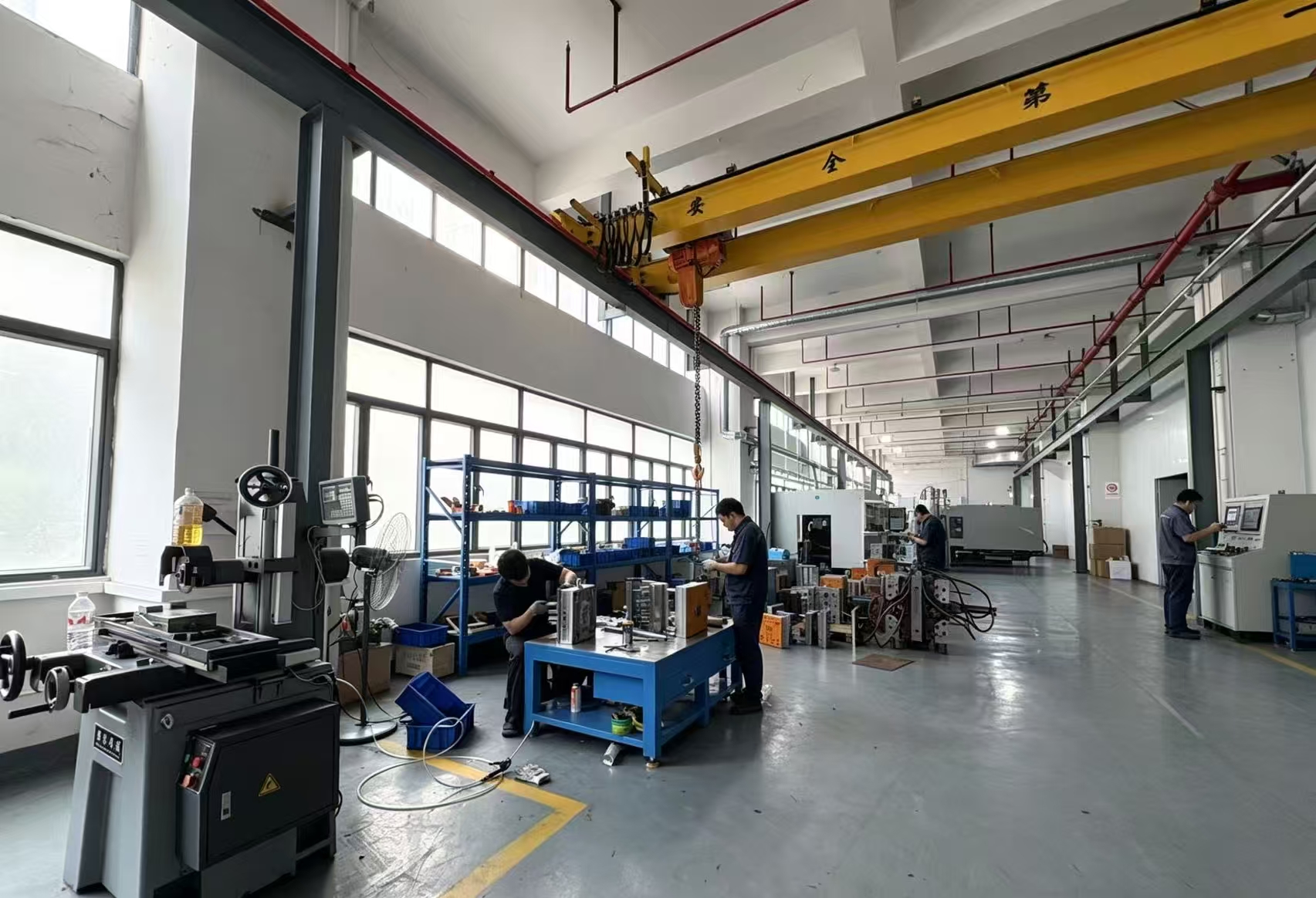
Precision mold development is integrated in-house at Polygram
Use Cases: Where the Comparison Matters Most
Electric Vehicles and Unmanned Aerial Vehicles
Weight reduction has a direct impact on range and energy consumption. LFT carbon fiber composite plastic is suitable for weight-sensitive applications such as EVs and UAVs, where every kilogram counts. Its high impact toughness supports structural parts that encounter road vibration, impacts, or handling stress.
High-Vibration and Fatigue Environments
Industrial equipment, robotics, and power tools often experience cyclic loads. The reported 2–5 times longer fatigue life compared to metal makes LFT carbon fiber composites a durable option for brackets, housings, and structural frames that would otherwise suffer metal fatigue.
Complex-Shaped Structural Parts
When a component requires bends, undercuts, or integrated mounting features, injection molding with LFT carbon fiber composites can consolidate multiple metal parts into one molded piece. This reduces assembly cost and improves part-to-part consistency. The material is also applicable to high-end sports equipment, outdoor weather-resistant products, and special medical scenarios where corrosion resistance and low weight are important.
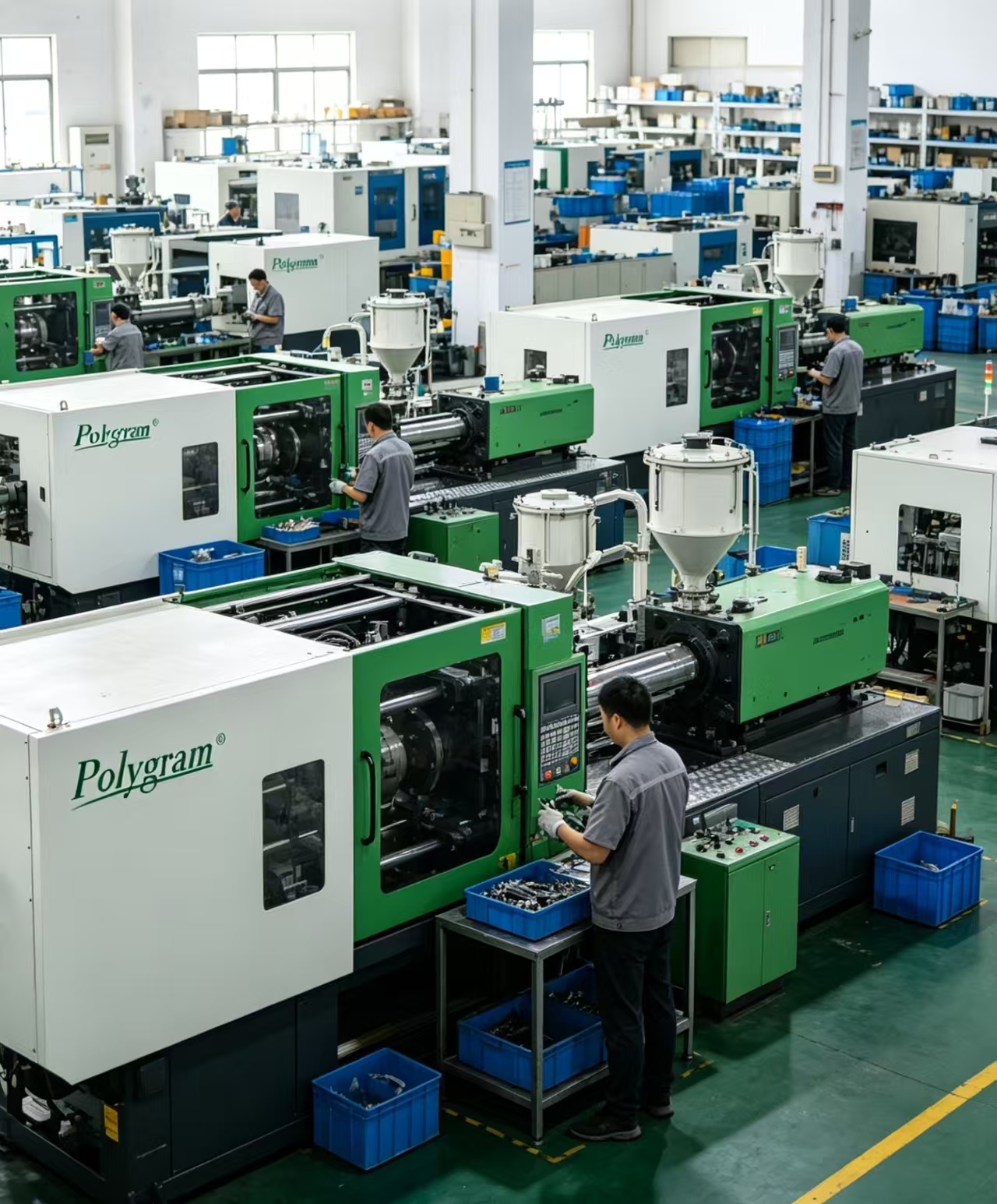
Injection molding capability supports complex structural parts
Comparison Table: LFT Carbon Fiber Composite Plastic vs. Aluminum Alloy
| Criterion | LFT Carbon Fiber Composite Plastic | Aluminum Alloy |
|---|---|---|
| Density | Approximately 30–50% lower than metal | Baseline metal density |
| Formability | Complex and irregular products easier to form | Requires machining, casting, or forming steps |
| Impact toughness | Reported 30% higher impact toughness | Baseline |
| Fatigue life | 2–5× longer fatigue life in repeated loading | Baseline |
| Corrosion | Corrosion-free; no anti-rust treatment | Requires anti-corrosion treatment in many environments |
| Maintenance | Minimal; longer part replacement cycles | Regular inspection and surface maintenance |
| Weight-sensitive fit | Suitable for UAVs, EVs, high-vibration and fatigue environments | Heavier solution; may be replaced for weight reduction |
| Total cost | Raw material may be slightly higher than SCF/GF; lower total cost from reduced processing, assembly, maintenance | Processing and maintenance costs can accumulate over life cycle |
FAQ
1. What compliance certifications should I verify when sourcing carbon fiber composite plastic?
Carbon fiber injection molding materials are standard-equipped with UL94 V0, RoHS, REACH, ISO9001, and ISO14001 certifications. Products exported to the European Union or North America require destination-market certifications such as CE, FDA, and ASTM. Buyers should request batch full-inspection reports covering strength, modulus, flame retardancy, and shrinkage rate, as well as a traceability system that covers raw materials, production, export, and end use.
2. What properties make LFT carbon fiber composite plastic suitable for high-strength and lightweight applications?
LFT carbon fiber composite plastic uses long fibers (5–25 mm) fully impregnated in thermoplastic resin. Compared to aluminum alloy, it offers about 50% lower density, easier molding of complex and irregular products, better long-term reliability with 30% higher impact toughness, and a corrosion-free structure that minimizes maintenance.
3. How does the total cost of LFT carbon fiber composite plastic compare to other materials?
The raw material cost of LFT carbon fiber composite plastic can be slightly higher than short-fiber or glass-fiber reinforced composites. However, the total cost of ownership is often lower because the material reduces processing steps, assembly work, maintenance, and part replacement frequency. In moving applications, the weight reduction also improves energy efficiency, which may lower operating expenses over the product's life.
4. How can I evaluate LFT carbon fiber composite plastic for my specific part before committing to full production?
Polygram provides one-stop services covering material design, raw material production, mold development, and injection molding. Buyers can contact Polygram’s engineering team to discuss application requirements and request technical documentation or evaluation proposals. Download the company brochure for a detailed capability overview: Carbon Fiber Composite Plastic Brochure.
5. What factors influence lead time for custom LFT carbon fiber composite plastic parts?
Lead time depends on part geometry, polymer selection, fiber content, mold complexity, and order volume. Polygram integrates the entire production chain—material design, raw material production, mold development, and injection molding—under one roof, which shortens coordination cycles and reduces delays. For a project-specific lead time estimate, contact Polygram at baolijin@carbolft.com or via WhatsApp at +86 18664191149 with your part drawings and target volume.
Conclusion
The decision between carbon fiber composite plastic and aluminum alloy is ultimately a trade-off between weight, formability, reliability, and lifecycle cost. For weight-sensitive products, high-vibration environments, and structural components with complex shapes, LFT carbon fiber composite plastic offers measurable advantages over aluminum alloy: about 50% lower density, 30% higher impact toughness, corrosion-free maintenance, and a manufacturing process that consolidates parts and reduces assembly.
Polygram (Guangdong Baolijin New Material Technology Co., Ltd.), based in Dongguan, has focused on thermoplastic carbon fiber composites since 2017, with annual production capacity of 12 million units. The company provides integrated services from material design to injection molding for aerospace, military, new energy vehicles, robotics, semiconductor, and sporting goods applications. If you are evaluating LFT carbon fiber composite plastic for a specific project, download the company brochure or contact the technical team directly to discuss your requirements.
Next step: Download the Polygram Carbon Fiber Composite Plastic brochure to review material grades and capabilities, or email baolijin@carbolft.com with your part specifications.
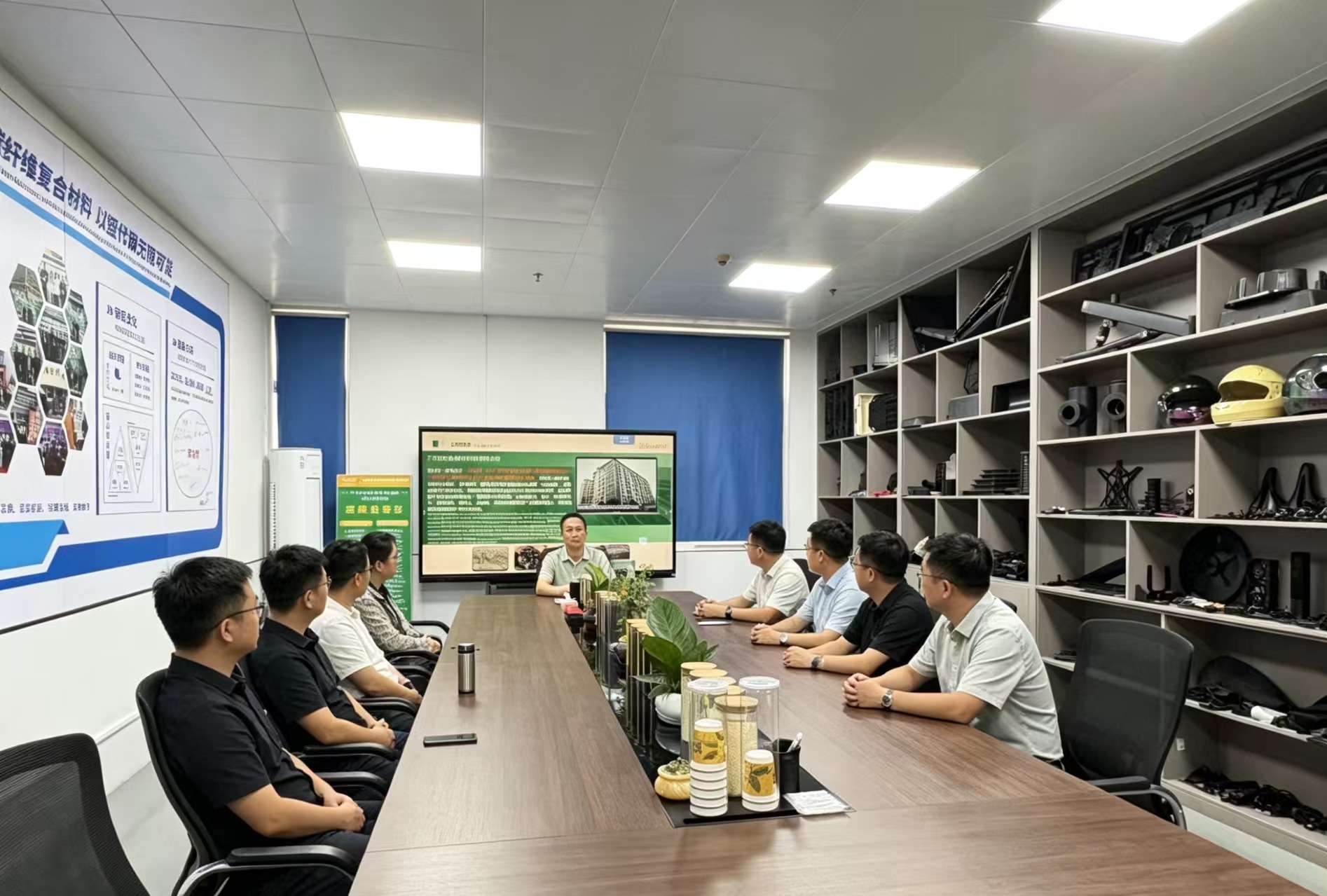
Contact Polygram to evaluate LFT carbon fiber composite plastic for your project
Have Questions or Need More Details?
Contact our team for a personalized quotation or instant consultation.
Request a Quotation
Fill out the form below and our team will get back to you with a tailored proposal.
WhatsApp Direct Chat
Prefer to chat in real-time? Message us on WhatsApp for instant assistance & quick answers.
- Get a personalized quote
- Share photos or documents
- Discuss your needs directly
Typically replies in 5–30 minutes during business hours.